How is buying a lot for a custom build different from buying an existing home?
You are buying a site, not a structure, so price per square foot does not apply. Due diligence runs longer because the checks involved (soil, geotechnical, floodplain, utilities, deed restrictions) take more time than a home inspection. Financing typically uses a lot loan, a construction loan, or a construction-to-permanent loan rather than a standard mortgage. Under federal rules in effect since August 2024, we sign a written buyer representation agreement before touring lots, with compensation stated in objective, negotiable terms.
Do I need to choose my builder before I start looking at lots?
Not strictly, but it helps. Some NWA subdivisions limit which builders can build on their lots, so choosing a builder narrows the search right away. Walking lots with your builder before making an offer also surfaces buildability problems (rock, slope, utility runs, drainage) that a buyer or agent might miss alone. If you have not chosen a builder yet, we sequence the search so that decision happens before you go under contract on a lot.
What does a "buildable lot" actually mean in NWA?
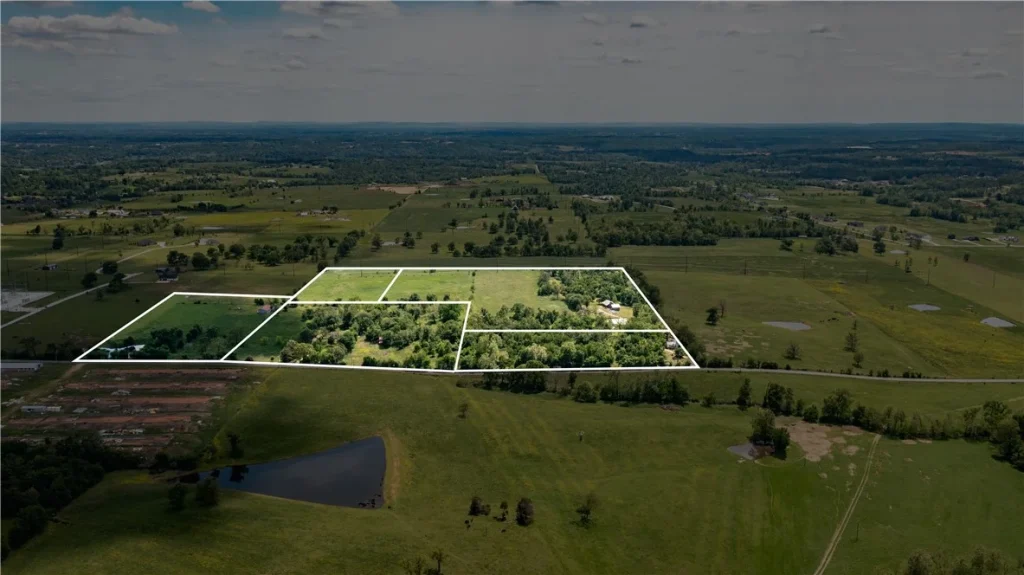
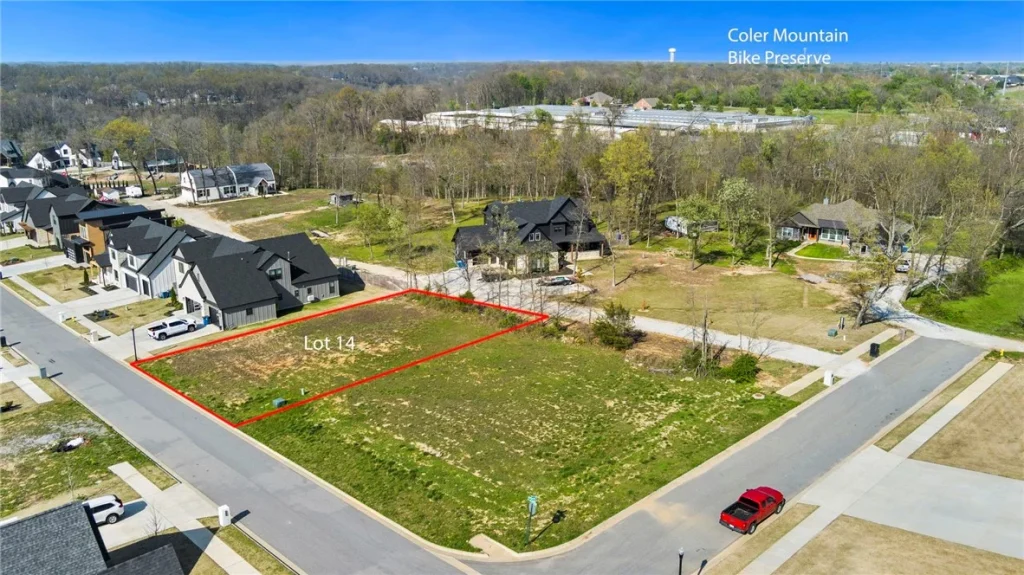
A buildable lot has to clear four checks. Legal buildability covers zoning, plat status, and setbacks. Physical buildability covers terrain, rock, drainage, and soil capacity for a septic system where sewer is not available. Utility buildability covers whether water, sewer or septic, electric, and other services can reach the home site at a reasonable cost. Restriction buildability covers deed covenants, HOA architectural review, and any approved builder list the subdivision enforces. A lot can be for sale and still fail one of these. Catching that before closing is the job of due diligence.
How much should I budget for the lot versus the build?
The split varies too much by submarket for a single percentage to be useful. Your total project budget includes the lot, the build, and soft costs (permits, design, surveys, geotechnical and soil reports, financing fees, and closing). In tighter NWA submarkets like central Bentonville, Pinnacle, and parts of Fayetteville, the lot tends to take a larger share of the budget than in outlying areas like Centerton, Cave Springs, or Pea Ridge. We work the lot budget backward from your total project number, your builder’s per-square-foot range, and the terrain-driven cost variables specific to the lots on your shortlist.
What hidden costs surface during lot due diligence?
The common cost drivers are rock excavation on ridge sites, septic engineering on lots with marginal soil, retaining walls on sloped sites, long driveways that require utility extensions, easement complications that limit where the home can sit, and floodplain elevation requirements on creek-adjacent lots. Some of these are deal breakers. Most are line items that change the math on the build. The difference matters, and surfacing it before earnest money goes hard is the reason due diligence has a contingency period.
Are there custom lot opportunities in established neighborhoods, or only in new developments?
Both exist in NWA. Established neighborhoods in Bentonville, Fayetteville, and Rogers offer infill and teardown opportunities, some of which never reach public listing. New developments offer easier infrastructure (utilities, paved roads, predictable setbacks) but can come with an approved builder list that restricts who builds on the lot. The right path depends on your priorities around design flexibility, neighborhood character, and infrastructure cost.
What is USDA eligibility, and does it apply to custom lots?
USDA financing is determined by address, not city, so eligibility is verified lot by lot. NWA communities that commonly include USDA-eligible addresses are Cave Springs, Centerton, Bella Vista, Lowell, Pea Ridge, Highfill, and Little Flock. USDA construction loan products exist but are less common than the USDA home purchase loan, and lender availability varies. For a custom build, the USDA question is mostly about whether a construction loan or a post-build refinance can use USDA terms. We can verify the eligibility status of any specific lot before you make an offer.
How long does it take to find and close on a lot?
Active search to lot close can run anywhere from a few weeks to several months. A few weeks is rare and usually means an off-market match to very specific criteria. Several months is more typical when the buyer has tight neighborhood, view, or slope requirements. Once a lot is identified, the contract-to-close window typically runs 30 to 45 days to allow time for survey, soil and perc testing, title work, and the other land-specific due diligence items. The build itself runs on its own timeline after the lot closes.