What counts as a multi-family property in Northwest Arkansas?
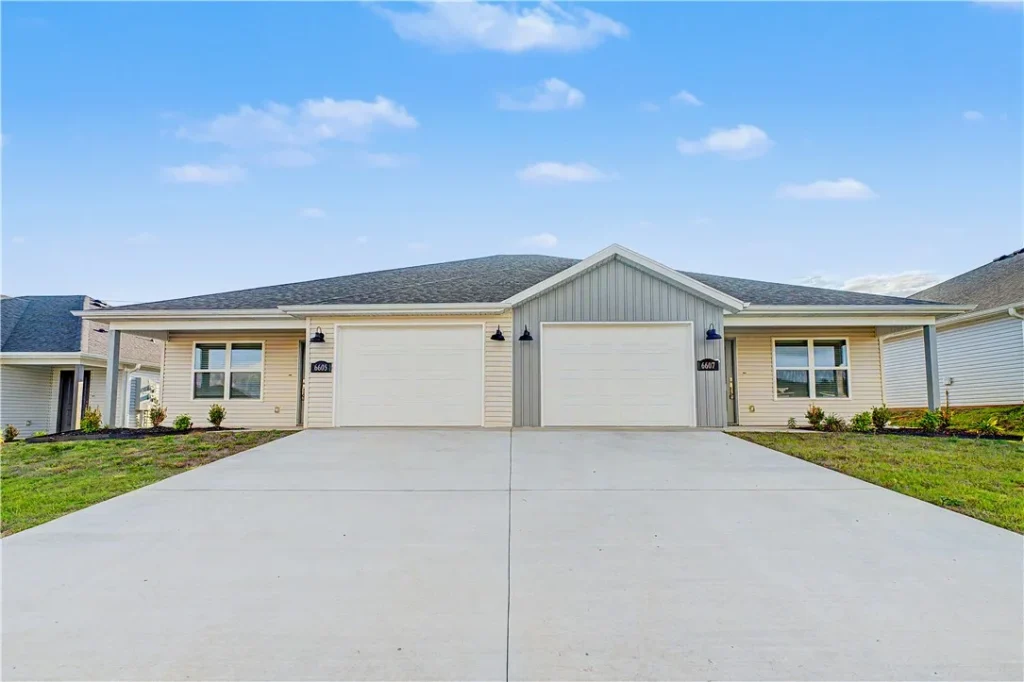
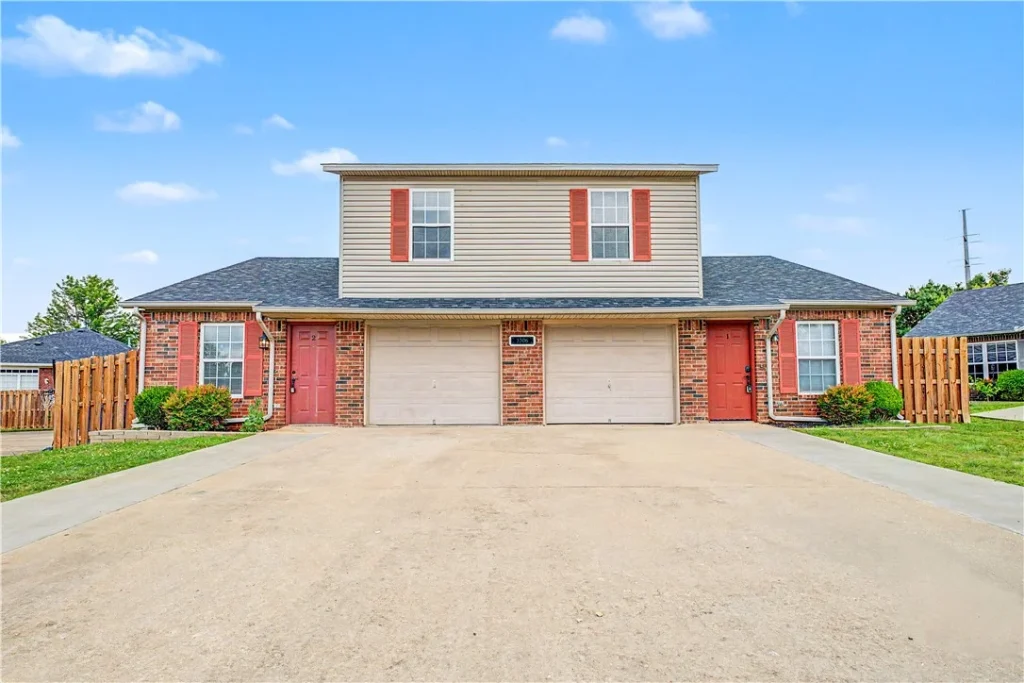
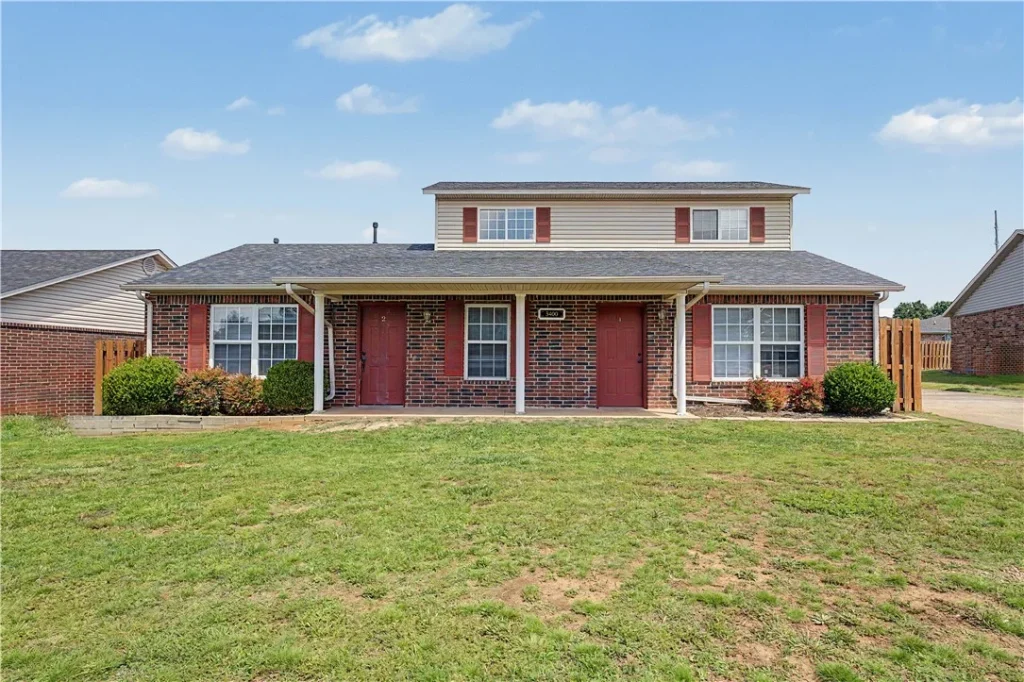
A multi-family property is any residential property with two or more separate dwelling units under one ownership. In NWA, the term covers duplexes, triplexes, fourplexes, small apartment buildings, mid-size complexes, and large stabilized apartment communities.
The most important practical distinction is the four-unit line. Properties with one to four units typically qualify for residential financing. Properties with five or more units are commercial real estate and require commercial financing. That single line changes the entire deal: financing structure, underwriting standards, appraisal type, and often the buyer pool.
How is buying a five-plus-unit property different from buying a duplex?
Commercial financing is the headline difference. Loans on five-plus-unit properties price on the property’s net operating income and debt service coverage ratio rather than the buyer’s personal income alone. Down payments are typically higher, often 25 to 30 percent or more rather than 20 to 25 percent. Underwriting requires a rent roll, twelve months of operating statements (the T-12), and often a property condition assessment. The appraisal itself values the property on the income approach rather than on comparable sales.
Many small multi-family buyers start with a fourplex specifically because residential financing keeps the deal simpler, then learn the commercial process on a second or third acquisition.
Should I list my multi-family property on the open market or sell it off-market?
Both paths work. The right one depends on the seller’s priorities.
Public listings get maximum buyer exposure, which generally produces the highest sale price. They also tip off tenants, property managers, lenders, and competitors that the property is for sale, which can cause operational disruption during the listing period.
Off-market sales preserve discretion and are common for smaller stabilized assets or sellers who do not want their tenants notified. The tradeoff is usually a smaller buyer pool, which can mean a slightly lower final price.
Collier walks sellers through both scenarios before recommending an approach. Sometimes the answer is a hybrid: targeted off-market outreach first, then a public listing if the right buyer does not surface.
Can I use a 1031 exchange when I sell a multi-family property?
Yes. Multi-family properties held for investment qualify for like-kind exchange treatment under Section 1031 of the Internal Revenue Code, which lets sellers defer federal capital gains tax by reinvesting proceeds into another qualifying investment property.
The mechanics are strict. From the day the sale closes, the seller has 45 days to identify replacement property in writing and 180 days total to close on the replacement. The seller cannot take personal receipt of the funds. A qualified intermediary must hold the proceeds throughout the exchange.
Multi-family sellers often exchange into other multi-family property, or into commercial property like retail, industrial, or land. Always confirm specifics with a CPA or a real estate attorney before closing, since the deadlines are firm and the IRS does not extend them.
How long does a multi-family transaction take in NWA?
Conventional multi-family transactions in NWA generally run 45 to 75 days from accepted offer to close. That is longer than a typical single-family deal because of commercial financing timelines, property condition assessments, and lease and tenant due diligence.
Cash deals can close faster. 21 to 45 days is realistic when the rent roll and operating statements are clean.
1031 exchange buyers operate on an 180-day window from their relinquished property closing, which can shorten or extend the timeline depending on where in the window they are when the new contract is signed.
The phase that most often stretches a deal is lender-side commercial appraisal and underwriting.
What happens to my tenants during a sale?
Existing leases transfer with the property at closing. The new owner inherits the lease terms, security deposits, and any landlord obligations.
Tenants are typically not notified until the sale is under contract and due diligence is substantially complete. Estoppel certificates (signed statements from tenants confirming their lease terms, rent amount, and any disputes) are usually requested during the due diligence period, so tenants will know something is happening at that stage.
Sellers should expect to provide a full tenant file to qualified buyers, including signed leases, rent payment history, and security deposit records. Collier helps coordinate the timing of tenant communication to minimize disruption to occupancy and rent collection during the sale.
How are commissions handled on a multi-family deal?
Real estate commissions in Arkansas are negotiable and were negotiable long before the NAR settlement changes took effect. There is no standard rate.
On multi-family transactions, commission structures vary by deal size. Smaller multi-family deals (under one million dollars) often follow percentage structures similar to residential deals. Larger multi-family transactions sometimes use flat fees, tiered percentages, or split structures negotiated upfront.
Since August 2024, any buyer working with an agent must sign a written buyer representation agreement before touring the property. That agreement must specify how the buyer’s agent will be compensated: by the seller, by the buyer, or split between them. Collier walks both sides through the options at the start of the engagement so there are no surprises at closing.